What are the common early signs of mold?
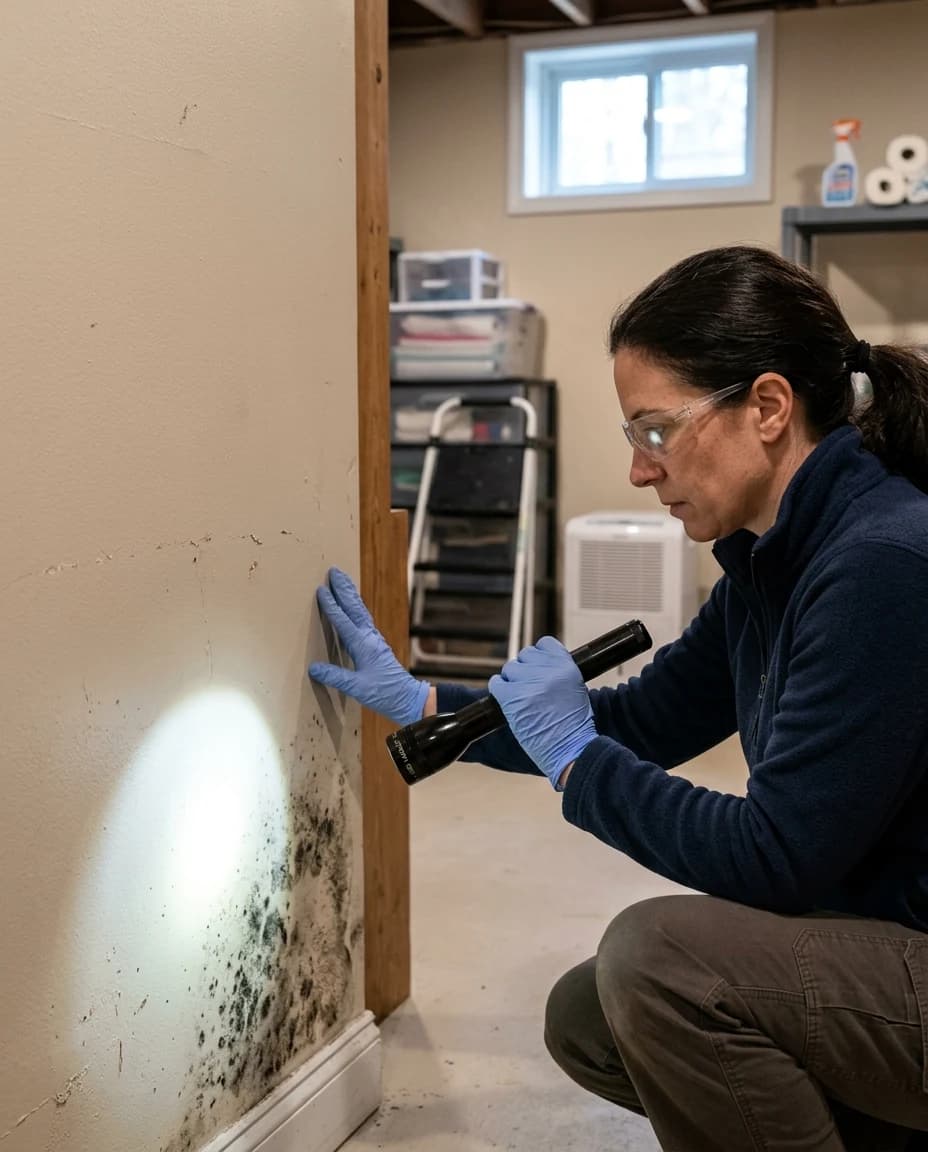
Early signs of mold often include a musty odor, unexplained allergies, and visible spots on walls. Homeowners in Allendale should regularly check for these signs, especially in areas prone to moisture such as bathrooms and basements. Prompt action can prevent extensive damage. A musty odor, often compared to the smell of old books or damp earth, is a telltale sign that mold might be present. This odor can permeate the air, making it noticeable even if the mold is hidden behind walls or under carpets. Unexplained allergies, such as sneezing, coughing, or itchy eyes, can also be indicators of mold presence. These symptoms often worsen when you're at home and improve when you're away, suggesting a potential mold problem at home. Visible spots, which may appear as black, green, or white patches, can often be found on walls, ceilings, or around windows. These spots might start small and gradually expand, indicating that mold is actively growing. Regularly inspect areas with poor ventilation or where moisture accumulates, as these are prime locations for mold growth.
How can you inspect for mold yourself?
Conducting a visual inspection is the first step. Look for discoloration on walls, ceilings, and floors. Use a flashlight to check dark corners and behind furniture. Also, inspect your HVAC system and around windows for moisture buildup. For professional help, consider contacting our services for a thorough inspection. Start by examining areas with visible water damage or stains, as these are often hotspots for mold. Use a flashlight to enhance visibility in poorly lit areas, such as behind large furniture or in the attic. Pay attention to any areas that feel damp or have a high humidity level, as these conditions promote mold growth. Don't forget to check less obvious places like inside closets, under sinks, and around air conditioning units. Mold often hides in these spots due to limited airflow and consistent moisture. Additionally, inspect your HVAC system's ducts and filters. Mold can spread through your home via these systems, so regular maintenance and inspection are crucial. If you detect any signs of mold or moisture, it's advisable to act quickly to prevent further spread.
When should you call a professional?
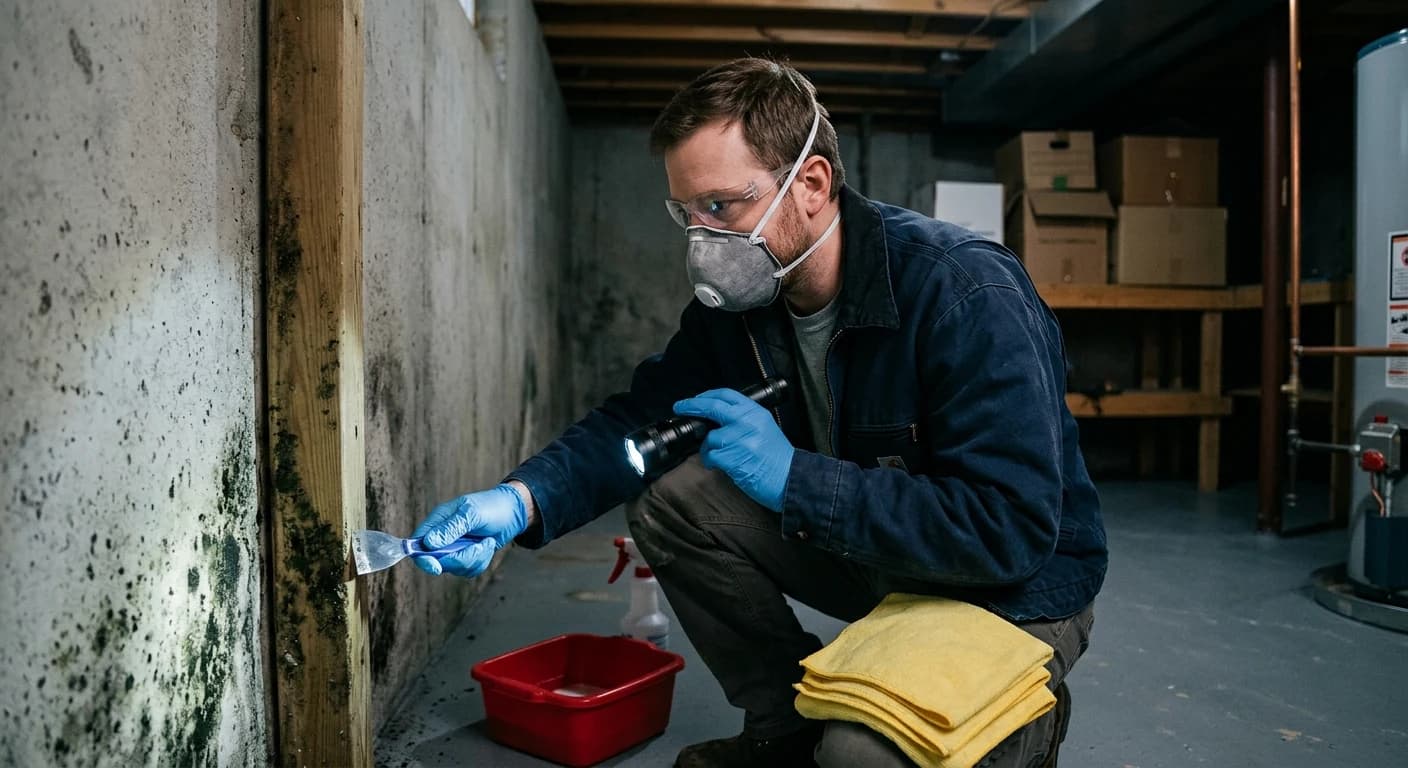
If you notice persistent signs of mold despite initial DIY checks, it's time to call a professional. Mold can spread quickly, and professionals have the tools and expertise to identify hidden mold and moisture problems. Early professional intervention can save money and protect your health. Professionals use specialized equipment, such as moisture meters and infrared cameras, to detect mold that is not visible to the naked eye. They can assess the extent of mold contamination and identify the underlying causes, such as leaks or inadequate ventilation. Calling a professional is particularly important if you experience recurring mold issues, as this may indicate a systemic problem that requires expert intervention. Additionally, if you or your family members experience persistent health symptoms like respiratory issues or skin irritation, professional mold remediation can be crucial for ensuring a safe living environment. In Allendale, where seasonal humidity can exacerbate mold growth, having a professional assessment can provide peace of mind and ensure your home remains mold-free.
Preventive Measures to Avoid Mold Growth
Preventing mold growth begins with controlling moisture levels in your home. Start by ensuring good ventilation in areas prone to dampness, such as bathrooms and kitchens. Installing exhaust fans can effectively reduce humidity levels. Regularly inspect and repair leaks in roofs, windows, and pipes to prevent water accumulation. Using a dehumidifier, especially in basements or other naturally humid areas, can also help maintain optimal humidity levels below 60%. It's important to clean and dry any water damage within 24 to 48 hours to prevent mold spores from taking hold. Regularly clean gutters and ensure proper drainage away from your home to avoid water seepage into the foundation. Additionally, consider using mold-resistant products, such as mold-resistant drywall or paint, especially in areas with high moisture exposure. Keeping indoor plants to a minimum can also reduce the risk, as overwatering can create excess moisture. By implementing these preventive strategies, you can significantly reduce the likelihood of mold growth and maintain a healthy living environment.
Understanding the Health Risks of Mold Exposure
Mold exposure can lead to a variety of health issues, especially for individuals with allergies, asthma, or compromised immune systems. Common symptoms include nasal congestion, throat irritation, coughing, and skin rashes. In more severe cases, prolonged exposure to mold can result in respiratory problems, such as asthma attacks or chronic sinus infections. Children and the elderly are particularly vulnerable to mold-related health issues. It's crucial to address mold problems promptly to mitigate these risks. In Allendale, where seasonal humidity can promote mold growth, being aware of these health risks is essential. If you suspect mold in your home, monitor any worsening health symptoms and consult a healthcare provider if necessary. Reducing exposure by removing mold sources and improving indoor air quality can help alleviate symptoms. For those with severe allergies or respiratory conditions, wearing a mask during mold removal or hiring professionals to handle the cleanup can prevent further health complications. Understanding the potential health impacts of mold is key to taking proactive steps to ensure a safe and healthy home.
DIY Mold Testing: Is It Worth It?
For homeowners considering DIY mold testing, it's important to weigh the benefits and limitations of this approach. DIY mold test kits are readily available and can provide a quick indication of mold presence. These kits typically involve collecting samples from suspected areas and sending them to a lab for analysis. While they can be a cost-effective initial step, DIY kits may not always offer the comprehensive results needed to fully understand the scope of a mold problem. One limitation is that they often only detect surface mold, missing hidden mold behind walls or in HVAC systems. Additionally, interpreting the results can be challenging without professional guidance, as some molds are more hazardous than others. If you choose to use a DIY kit, select one from a reputable manufacturer and follow instructions carefully to avoid contamination. However, if your home in NJ has a history of mold issues or if you suspect extensive contamination, consulting a professional might be a more reliable option. Professionals can provide a thorough assessment and recommend targeted remediation strategies, ensuring that all mold sources are effectively addressed.
Tips for Maintaining a Mold-Free Home
Maintaining a mold-free home requires ongoing vigilance and proactive measures. Start by monitoring humidity levels using a hygrometer, aiming to keep indoor humidity below 60%. Regularly clean and inspect areas prone to moisture, such as bathrooms, kitchens, and basements. Ensure that exhaust fans are functional and used during activities that generate moisture, like showering or cooking. Fix leaks promptly, whether from the roof, plumbing, or windows, to prevent water accumulation. It's also beneficial to improve air circulation throughout your home by using ceiling fans and opening windows when weather permits. For those living in humid climates like NJ, consider investing in a whole-house dehumidifier to maintain consistent humidity levels. Regularly replace HVAC filters and schedule maintenance to prevent mold from spreading through the system. Additionally, educate family members about the importance of reporting any mold sightings or musty odors immediately. By incorporating these practices into your routine household maintenance, you can significantly reduce the risk of mold growth and protect your home's structural integrity and your family's health.